Skip to content
With so many materials available, choosing a new kitchen worktop can feel difficult—especially when comparing newer engineered surfaces such as Dekton and Silestone.
Both materials are popular for kitchen and bathroom worktops, but they are made differently and perform differently in areas such as heat resistance, outdoor use, price and repairability. This guide explains the main differences between Dekton and Silestone so you can decide which surface best suits your renovation.
Dekton and Silestone are both premium mineral surfaces, and the right choice depends on how you use your kitchen. Choose Dekton if you want maximum heat and UV resistance or a worktop that can be used outdoors. Choose Silestone if colour range, everyday low maintenance and interior design flexibility matter most.
| Attribute | Dekton | Silestone |
|---|---|---|
| Material | Ultracompact surface | Low-silica hybrid mineral surface made with premium minerals and recycled materials |
| Heat resistance | Excellent, designed to withstand high temperatures | Good, but Cosentino recommends protection from very hot objects |
| UV and outdoor use | Excellent UV resistance and suitable for outdoor applications | Primarily positioned for interior applications |
| Scratch resistance | Very high | High |
| Stain resistance | Very high and very low porosity | High and non porous |
| Impact resistance | High, although exposed edges can still be vulnerable to hard impact | High for normal kitchen use |
| Sealing | No routine sealing | No routine sealing |
| Colours and finishes | Wide range of stone, concrete and architectural looks | Very wide colour and design range |
| Thickness options | 4, 8, 12, 20 and 30 mm, depending on application | Depends on colour and format |
| Crystalline silica | Varies by Dekton product | Low silica surface, labelled by maximum silica content including Q10 and Q40 |
| Price | Depends on colour, thickness, fabrication and installation requirements | Depends on colour, thickness, fabrication and installation requirements |
| Best suited to | High heat, outdoor use, UV exposure and demanding applications | Interior kitchens and bathrooms where design choice and low maintenance are priorities |
Silestone is now positioned by Cosentino as a low-silica mineral surface rather than a traditional quartz surface. Depending on the range, Silestone products may carry Q10 or Q40 labels indicating their crystalline silica category. If zero crystalline silica is a priority, you can also explore our ELORĀ 0% crystalline silica worktop range.

When comparing Dekton and Silestone, it is important to look beyond colour alone. Both materials offer durability, style and versatility, but they are designed for different priorities.
The sections below compare how each material is made, how it performs and where it is best used.
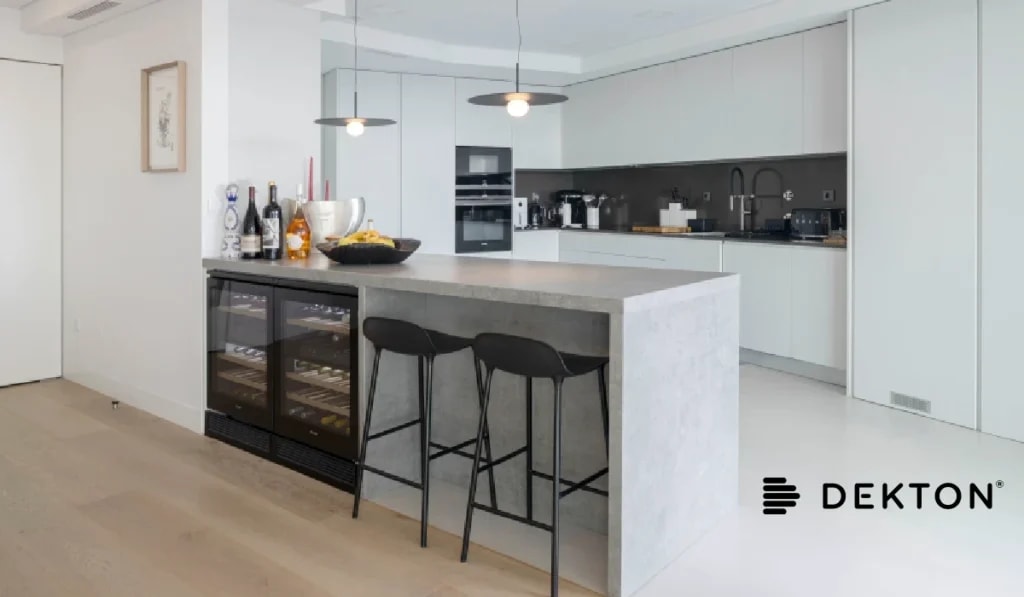
Dekton is a porcelain-based surface made by the Cosentino Group. It is commonly used for kitchen and bathroom worktops and can also be used for flooring and cladding.
Its dense, ultra-compact construction gives it a slim profile, strong durability and the ability to perform indoors or outdoors.
Dekton is made from a mixture of porcelain, natural quartz and glass. These raw materials are compressed under extremely high pressure to create a dense, ultra-compact slab.
The manufacturing process allows Dekton to be produced in thinner slabs than many other worktop materials, providing a sleek profile and greater design flexibility.
Dekton can tolerate high temperatures, but using a trivet or heat pad is still a sensible way to protect any worktop and reduce the risk of thermal shock or accidental damage.
You can browse our full Dekton worktops range, which we supply, fabricate and install.
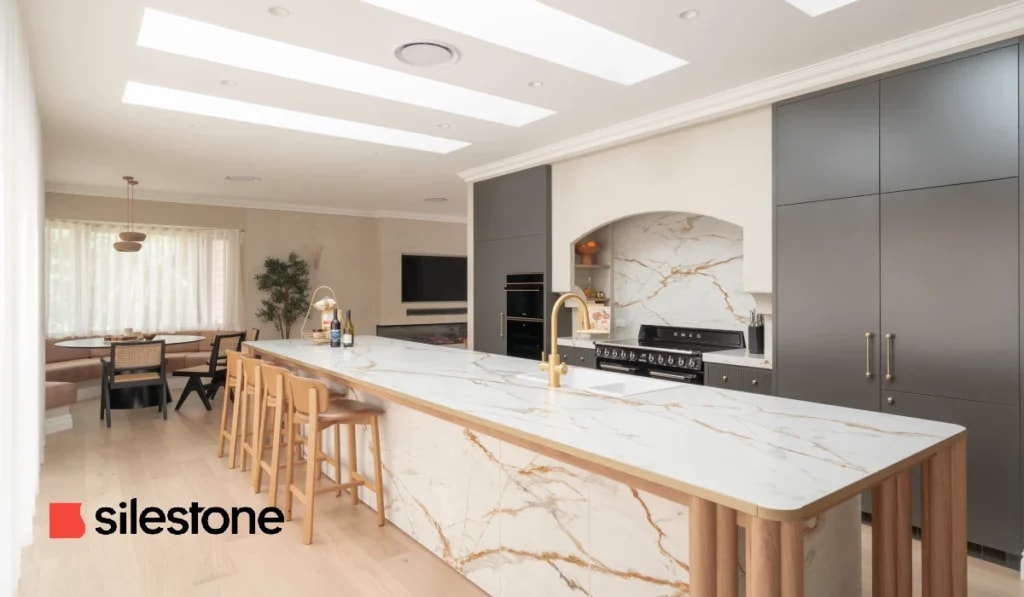
Silestone is a low-silica hybrid mineral surface produced by Cosentino. Made with premium minerals and recycled materials using Hybriq+® technology, it is hard-wearing, non porous and available in a very wide range of colours and finishes. Silestone colours and collections may carry Q10 or Q40 labels indicating their crystalline silica category.
Silestone is manufactured by Cosentino using Hybriq+® technology, which combines premium minerals with recycled raw materials to create a hard, non porous surface. Modern Silestone is produced as a low-silica hybrid mineral surface.
Dekton and Silestone are both engineered surfaces made by Cosentino and are available in a wide range of colours. Their biggest difference is their material composition.
Dekton is an ultracompact surface made from a blend of raw materials including porcelain, quartz and glass, while Silestone is a low-silica hybrid mineral surface made with premium minerals and recycled materials.
Both materials are tough, durable and designed to resist everyday impacts and scratches.
Dekton has a slight advantage for scratch and impact resistance. Although it is often claimed that food can be cut directly on a Dekton surface, using a chopping board is still recommended to protect both the worktop and kitchen knives.
Dekton is heat, fire and UV resistant. This makes it suitable for demanding kitchen settings and outdoor applications where direct sunlight could cause other surfaces to fade.
Silestone is durable but is more vulnerable to heat damage. Hot pots and pans should be placed on a trivet rather than directly on a Silestone worktop.
Cosentino offers a 25-year warranty for both Dekton and Silestone when the worktop is registered within six months.
The warranties do not cover abuse, improper use or accidental damage. Examples include chips caused by scraping a Dekton edge or heat damage caused by placing hot cookware directly on Silestone.
Professional fabrication and installation are required to preserve the warranty.
Dekton and Silestone sit within a similar premium price range and generally cost more than budget materials such as laminate.
The final price depends on the selected colour, slab thickness, worktop layout, cut-outs, edge details, delivery and installation. Neither brand is consistently cheaper.
Both surfaces are available in a broad collection of colours and patterns, including white, black and grey designs as well as marble-inspired veining.
Large slab sizes can reduce the number of joins and seams. Dekton can also be supplied in thinner slabs, which is useful for sleek and architectural worktop designs.
Dekton’s pattern is applied to the surface rather than running throughout the slab in the same way as Silestone. If a Dekton edge chips, the damage may therefore be more noticeable and harder to disguise.
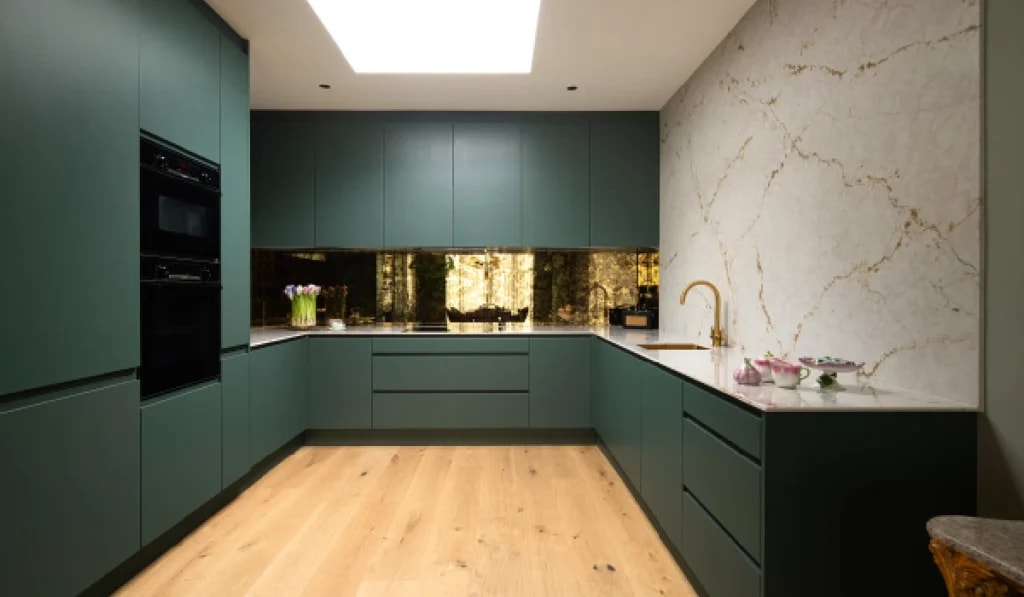
Dekton is stronger in several performance areas. It offers greater heat resistance, UV resistance, outdoor suitability and the option of thinner slab profiles.
However, visible chips can be more difficult to repair. Silestone remains a durable, non-porous and versatile choice, particularly when colour choice and bespoke interior design are the main priorities.
The better material is therefore the one that best matches the intended use rather than the one with the longest list of technical advantages.
View full slabs and completed installations before deciding. Colour, pattern scale, edge treatment and the quality of fabrication can influence the finished result as much as the material name.
Dekton is an ultra-compact surface made from porcelain, quartz and glass. Silestone is a quartz-based engineered surface combined with resins and pigments. Their different compositions affect heat resistance, UV resistance, price and repairability.
Dekton is generally slightly more expensive than Silestone, although the final quotation depends on colour, thickness, fabrication details and installation.
Both Dekton and Silestone are premium surfaces, and the final price depends on the colour, thickness, fabrication and installation for your specific kitchen rather than the brand alone. For an accurate comparison, request a quote based on your worktop design.
Dekton is highly heat resistant, but using a trivet is still recommended to protect the worktop and reduce the risk of accidental damage.
No. Silestone is non-porous and does not require routine sealing. It can usually be maintained with regular cleaning and suitable worktop-care products.
Yes. Dekton is UV resistant, so it can be used outdoors without the colour fading in the way some other engineered surfaces may.
Silestone may be easier to disguise when chipped because its appearance continues through the material more consistently. Dekton’s surface-applied pattern can make chips more visible and harder to repair.
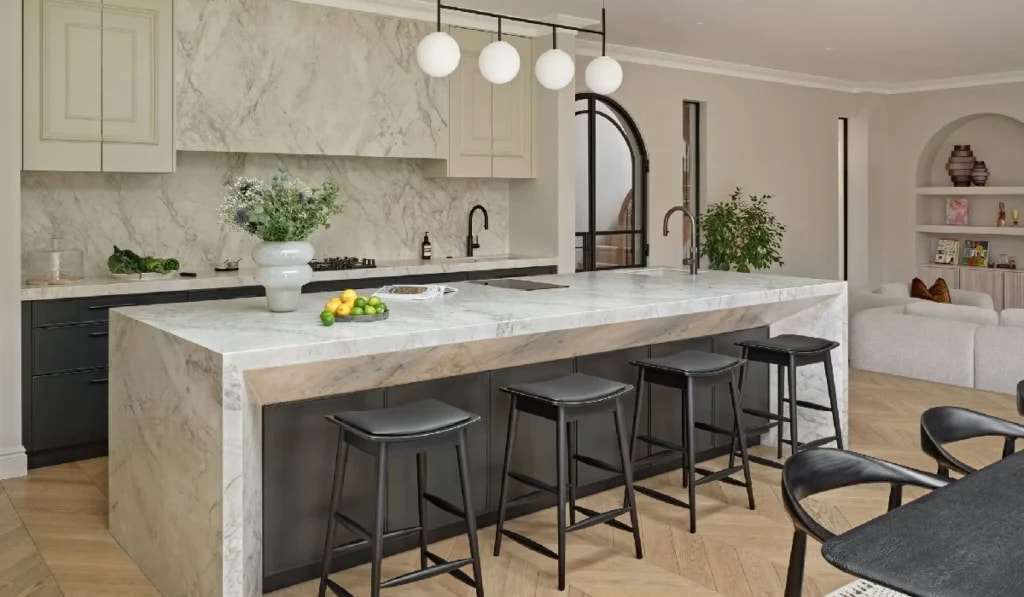
Dekton and Silestone are both premium engineered surfaces with strong durability, low maintenance requirements and a wide choice of colours.
Choose Dekton when heat resistance, outdoor performance and a slim architectural profile are most important. Choose Silestone when you want a versatile, non-porous surface with a very wide choice of colours and designs.
Before ordering, compare full slabs, review the intended worktop layout and ask an experienced fabricator to confirm the best thickness, edge details and installation requirements for your project.
Mo’s Stonex can help you compare colours, finishes and practical requirements, then template, fabricate and install the right surface for your kitchen or bathroom.