 Skip to content
Quartz Worktops
Quartz worktops are a popular choice for UK kitchens, offering consistent colours, marble-inspired designs and low-maintenance performance. Explore quartz worktop prices, colours, thicknesses, benefits and practical considerations, plus the latest 0% silica alternatives.
What are quartz worktops?
Quartz worktops are made from engineered stone. Traditional engineered quartz is typically made from a high proportion of quartz minerals combined with resins and pigments, compacted under pressure and cured into dense, uniform slabs; exact composition varies by manufacturer and product. Because the material is manufactured rather than quarried, it offers a more consistent appearance than natural stone, which is a key reason quartz became a popular premium worktop choice in the UK.
That manufacturing process gives quartz its defining characteristics. The surface is non-porous, so it resists staining from coffee, wine and cooking oils without normally requiring routine sealing. It is hard and scratch-resistant, well suited to busy family kitchens. And the design range is enormous: crisp solid whites, soft creams and greys, warm golden tones, and marble-effect and veined patterns that echo natural stone at a more accessible price point.
Quartz worktops are normally supplied in 20mm or 30mm thicknesses. Both are widely used for kitchen worktops; the choice is usually driven by appearance, design and budget: 20mm creates a sleeker, contemporary profile, while 30mm gives the more substantial, traditional look. Slabs are templated to your kitchen, fabricated with cut-outs for sinks and hobs, and installed as a finished piece.
Why are quartz worktops so popular?
Consistent appearance
More predictable colour and pattern consistency than natural stone, although some variation between samples, slabs and production batches can occur.
Wide choice of colours
From bright whites to dramatic veining and warm earth tones, in polished and honed finishes.
Marble-inspired designs
The Calacatta and Carrara looks of natural marble, with generally lower routine maintenance than many natural marble surfaces.
Non-porous surface
Everyday spills stay on the surface and wipe away, with strong hygiene credentials for food preparation.
Low maintenance
Warm water and mild detergent are all that’s needed; normally requires no routine sealing.
Durable for everyday use
Hard, dense and scratch-resistant, built for real kitchens rather than showroom ones.
Quartz worktop colours & styles
Most UK kitchens choose from four broad quartz families: solid colours (bright white remains the best seller), marble-effect designs with grey or gold veining, speckled and granite-effect patterns, and warmer stone tones such as cream, beige and taupe. Polished finishes give the classic reflective surface; honed and matt finishes offer a softer, more contemporary feel.
The same looks are available across our surface collection, including marble-effect and white worktop designs, and you can order up to three free samples to compare in your own kitchen light.
Quartz worktop prices in the UK
Quartz pricing varies more than most buyers expect, because the final figure is a project cost rather than a slab cost. The main factors are:
Material & design
- Brand, colour and pattern complexity: premium marble-effect designs cost more than solid colours
- Slab size and how efficiently your layout fits the slabs
- 20mm vs 30mm thickness
- Total worktop area, islands and waterfall ends
Fabrication & installation
- Sink and hob cut-outs, drainer grooves
- Edge profiles, upstands and splashbacks
- Templating of your exact kitchen
- Fabrication and professional installation
Quartz worktop prices vary significantly depending on brand, design, thickness, finish and fabrication. As a general UK market reference, Checkatrade currently lists around £375 per m² for quartz supplied and installed, while other industry cost guides such as MyJobQuote quote by linear metre rather than square metre. Always check the unit and what is included before comparing prices. These figures are market guidance only and are not Mo’s Stonex quotations.
UK market reference checked August 2026.
Quartz vs granite vs engineered stone vs sintered stone
How does quartz compare with the other main worktop materials? The table below summarises the practical differences.
| Quartz | Granite | Engineered stone (ELORĀ) | Sintered stone | |
|---|---|---|---|---|
Appearance | Engineered; solid colours to marble-effect | Natural; every slab unique | Engineered; quartz-look designs | Engineered; stone and marble looks |
Pattern consistency | Very high | Natural variation | Very high | Very high |
Maintenance | Low | Low to moderate | Low | Very low |
Porosity | Non-porous | Slightly porous | Non-porous | Non-porous |
Sealing | Not required | Periodic sealing advised | Not required | Not required |
Heat resistance | Good (trivets recommended) | Very good | Good (trivets recommended) | Excellent |
Design choice | Very wide | Limited to nature’s palette | Very wide | Wide |
Silica considerations | Normally contains crystalline silica | Contains natural silica | 0% crystalline silica | Varies by brand |
Price positioning | Mid to premium | Mid to premium | Mid to premium | Premium |
Pros and cons of quartz worktops
Advantages
- Consistent colours and patterns across every slab
- Non-porous: resists stains without sealing
- Easy to maintain with everyday cleaning
- Wide design choice, including marble-effect looks
- Durable and scratch-resistant
- No routine sealing normally required
Things to consider
- Heat protection is recommended: use trivets under hot pans
- Premium designs can be expensive
- Fabrication and installation significantly affect final cost
- Traditional engineered quartz normally contains crystalline silica, which creates dust risks during cutting and polishing
Does Mo's Stonex still supply traditional quartz?
Our current core range has moved away from traditional quartz. Instead, we offer ELORĀ, a 0% crystalline silica engineered surface for homeowners who want the consistent patterns, low maintenance and marble-inspired designs commonly associated with quartz worktops.
Traditional quartz contains crystalline silica, and cutting or polishing it releases respirable crystalline silica (RCS) dust linked to silicosis, a growing concern across the worktop industry. ELORĀ is manufactured with 0% crystalline silica, removing the RCS risk associated with crystalline silica content in the material; appropriate fabrication dust controls should still be used. The quartz look you want at home, without the crystalline silica.
Traditional quartz vs ELORĀ
How does traditional quartz compare with ELORĀ, our 0% crystalline silica engineered stone alternative?
| Traditional Quartz | ELORĀ · 0% Silica | |
|---|---|---|
Material | Crushed quartz + resin | Mineral engineered stone, silica-free |
Crystalline silica | Contains silica | 0% silica, none |
Look & range | White, marble-effect, veined |
Comparable quartz-inspired colours and veined designs |
Durability |
Hard, scratch-resistant |
Hard, dense & scratch-resistant |
Maintenance |
Non-porous, no sealing |
Non-porous, no sealing |
Crystalline silica during fabrication |
RCS exposure risk when cut or polished |
0% crystalline silica; normal fabrication dust controls still apply |
Like the quartz look? Explore these alternatives
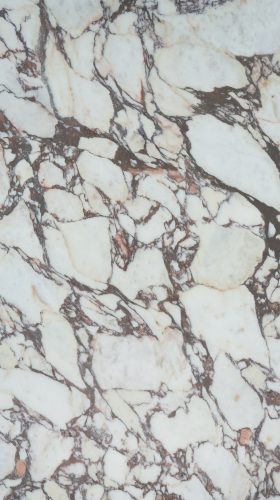
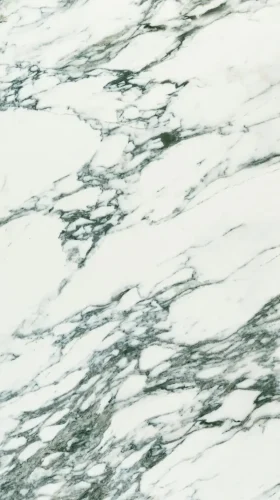
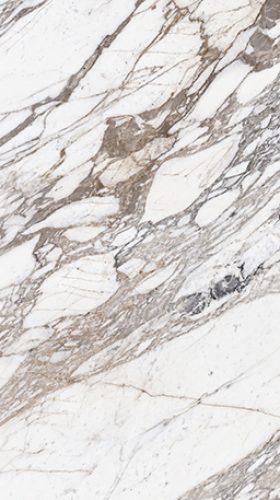
Quartz-inspired colours from our ELORĀ 0% silica engineered stone range: crisp whites to dramatic marble-effect veining and warm golden tones, in polished and honed finishes.

See it in real UK kitchens
Every worktop is templated, fabricated and fitted by our own team, so the finish you see in the showroom is the finish that lands in your kitchen. Browse recent installations and customer stories, or try colours in your own space with our worktop visualiser.
01
Upload
02
Choose Your Surface
03
Visualise
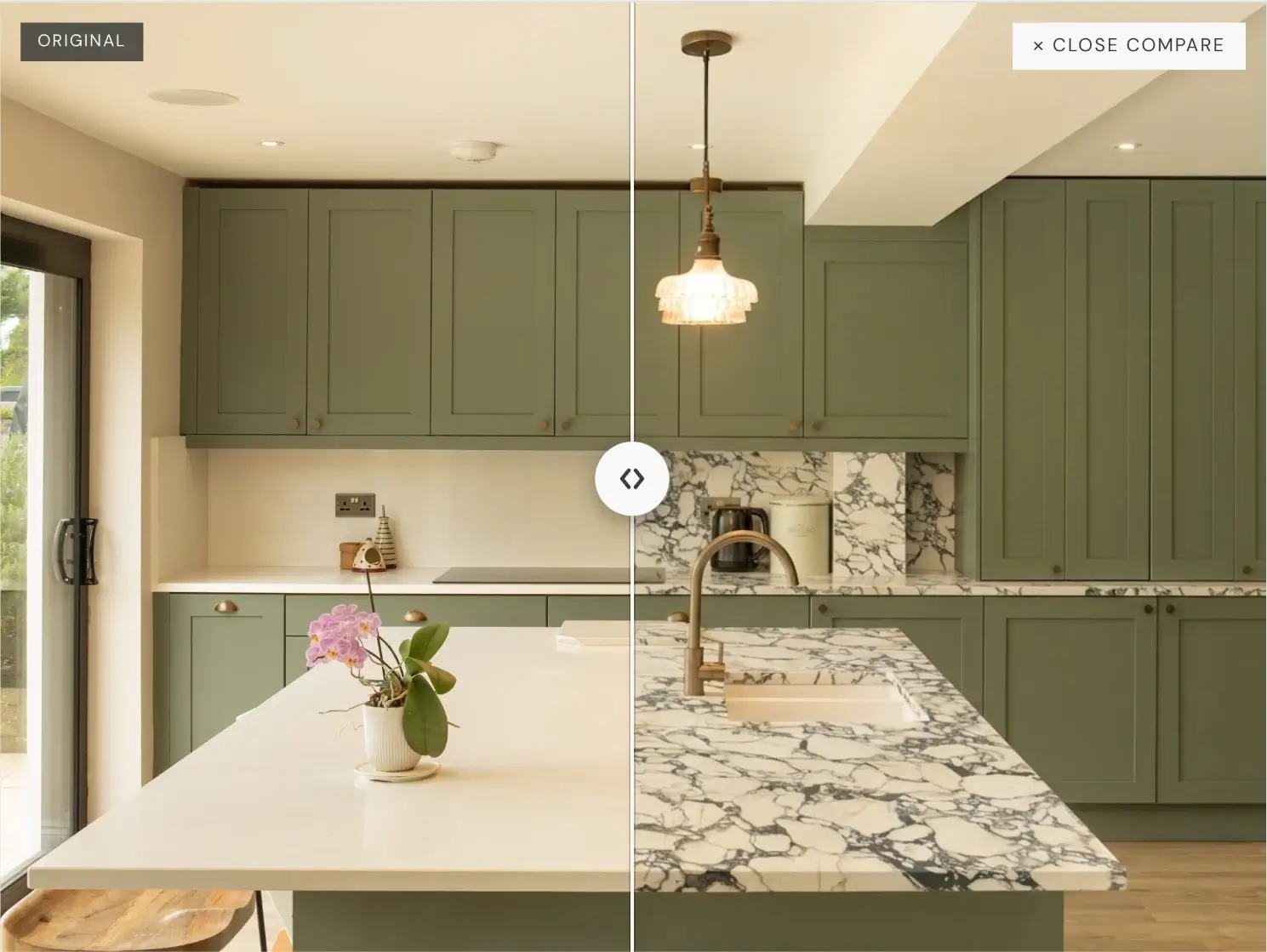
Template, fabrication & installation
Templated & installed by us
Expert measuring, fabrication and installation from start to finish, not outsourced.
Free samples to your door
Order up to three samples and compare the quartz look in your own kitchen light.
Quartz-style worktops in Watford, London & Hertfordshire
Mo’s Stonex supplies, templates, fabricates and installs quartz-look engineered stone worktops for homes across Watford, London, Hertfordshire and surrounding areas. Visit our Watford showroom, High Wycombe gallery or New Malden showroom, or see the full list of areas we cover.
Quartz worktops: your questions answered
What are quartz worktops made from?
Quartz worktops are an engineered stone, typically made from a high proportion of quartz minerals combined with resins and pigments; exact composition varies by manufacturer and product. The mixture is compacted and cured into slabs, which is why quartz offers a more consistent appearance than natural stone.
How much do quartz worktops cost in the UK?
Quartz worktop prices vary significantly depending on brand, design, thickness, finish and fabrication. As a general UK market reference, Checkatrade currently lists around £375 per m² for quartz supplied and installed, while other industry cost guides quote by linear metre rather than square metre. These figures are market guidance only and are not Mo’s Stonex quotations.
Are quartz worktops worth it?
For many UK kitchens, yes. Quartz offers consistent patterns, a non-porous stain-resistant surface and low maintenance with no routine sealing. Whether it is worth it depends on your budget and design priorities. Comparable results are also available from newer engineered surfaces, including 0% silica options.
Do quartz worktops stain?
Quartz is non-porous, so everyday spills such as coffee, wine and cooking oils wipe away easily and do not soak in. Prolonged contact with strong chemicals or dyes can mark the surface, so spills are best wiped up promptly.
Can you put hot pans on quartz worktops?
Direct heat protection is recommended. The resin content in quartz can discolour or crack under very hot pans, so trivets or heat pads should always be used. Fully mineral surfaces such as sintered stone tolerate direct heat better.
Do quartz worktops need sealing?
No. Unlike granite or marble, quartz is non-porous and does not normally require sealing. Routine cleaning with warm water and a mild detergent is all that is needed.
What is better, 20mm or 30mm quartz?
Both are widely used for kitchen worktops; the choice is usually driven by appearance, design and budget. 20mm gives a sleeker, more contemporary profile and usually costs less; 30mm gives a chunkier, more traditional look.
How long do quartz worktops last?
With normal care, quartz worktops commonly last 20 years or more. Their non-porous, scratch-resistant surface is well suited to busy family kitchens, which is a key reason quartz became so popular in the UK.
Does Mo's Stonex still sell traditional quartz?
Our current core range has moved away from traditional quartz. Instead, we offer ELORĀ, a 0% crystalline silica engineered surface for homeowners who want the consistent patterns, low maintenance and marble-inspired designs commonly associated with quartz worktops.
What is a 0% silica alternative to quartz?
Traditional quartz contains crystalline silica, which creates dust risks during fabrication. A 0% silica alternative such as ELORĀ is an engineered mineral surface that delivers the same looks and everyday performance as quartz: non-porous, scratch-resistant, no sealing, and free of crystalline silica.